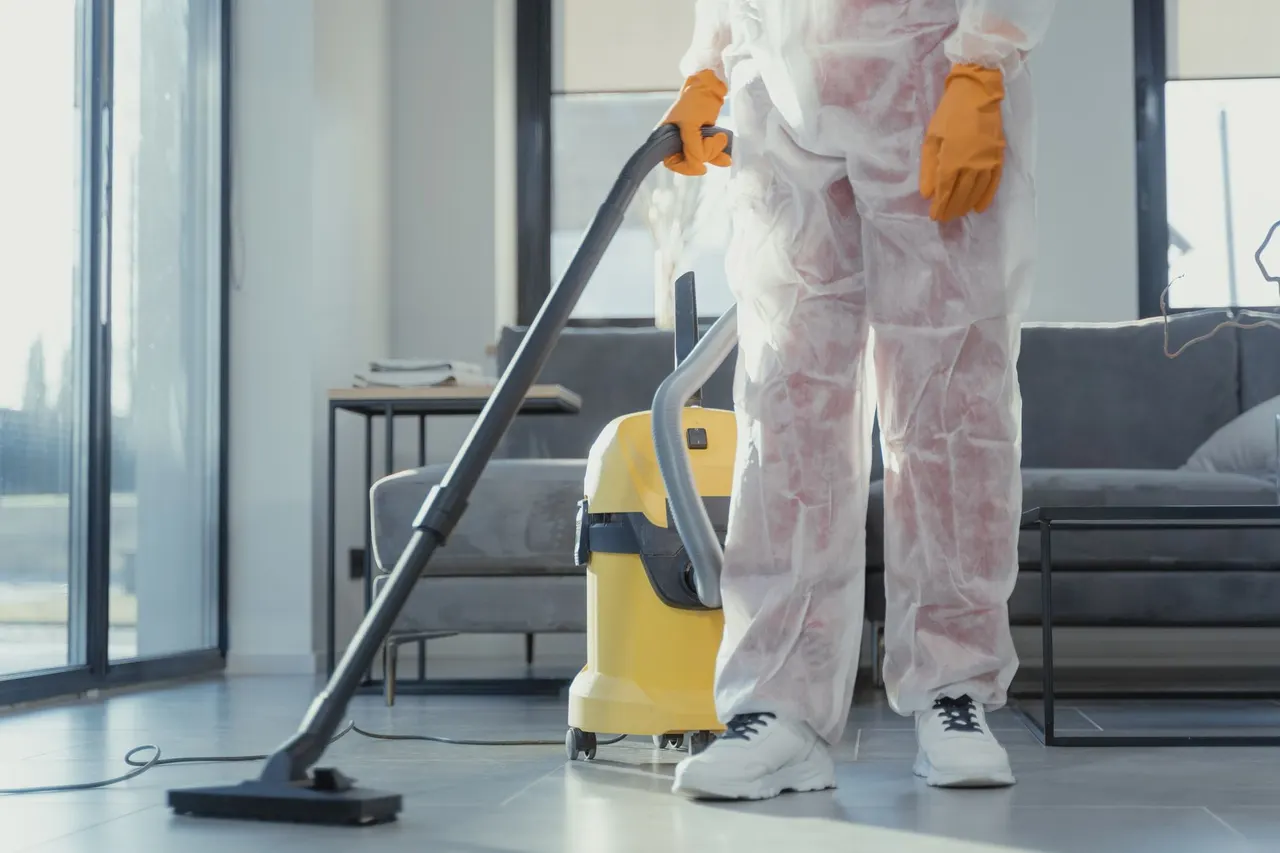
Structural Drying & Moisture Control
Structural Drying and Moisture Control Fullerton CA
Structural Drying and Moisture Control Fullerton CA is the work that saves your floors, walls, and air quality after a leak. We handle water damage drying service Fullerton homeowners call about at 2 a.m. Whether a supply line burst under the kitchen sink or a roof leak soaked your attic insulation, we extract, dry, and verify. We have served Fullerton since 2009.
Service overview
What Structural Drying and Moisture Control Fullerton CA Means
Structural Drying and Moisture Control Fullerton CA is a restoration process that removes trapped water from building materials and then holds indoor humidity at a level where mold cannot take hold. It is not a fan pointed at a wet rug. We map moisture with a Tramex or Protimeter moisture meter, confirm hidden saturation with a FLIR thermal imaging camera, then run Dri-Eaz and Phoenix Restoration Equipment dehumidifiers and XPOWER air movers until the readings match a dry standard. Walls, subfloor, and framing all get checked.
Fullerton sits in Orange County, where October still brings warm days and occasional Santa Ana winds, but the real damage starts with plumbing failures and roof leaks that sit unnoticed for weeks. A slow drip behind a washing machine or under a slab can push indoor humidity past 60 percent, and that is when Stachybotrys chartarum growth and persistent indoor dampness begin. If you have been searching for a structural drying service near me in Fullerton CA, the clock matters more than the price.

Practical benefits
Why Fullerton Property Owners Dry Fast
Water does its worst work in the first 48 hours. Here is what you get when you call us instead of waiting for the floor to dry on its own.
Stops Mold Before It Starts
Mold spores need 24 to 48 hours of moisture to colonize drywall paper and wood framing. We set drying equipment the same day we inspect, which pulls material moisture below 16 percent before hidden mold growth has a chance to take hold. That window is the whole ballgame.
Protects Floors and Framing
Hardwood cupping, laminate swelling, and subfloor delamination are permanent once they set. Our moisture control for buildings Fullerton CA approach dries each layer at its own rate, so you keep the floor you already paid for instead of filing a replacement claim.
Cuts Humidity at the Source
Running a box-store dehumidifier in a closed room does almost nothing. We use professional dehumidification in Fullerton with condensate tubing routed to a drain, holding relative humidity between 30 and 50 percent until the structure is stable and the air feels dry again.
Documented for Your Insurance Claim
We log daily moisture readings, temperature, and humidity with calibrated meters and photograph every affected room. That record is what adjusters want, and it is why most Fullerton water claims we document get approved without a second inspection.
How service works
Our Structural Drying Process, Step by Step
Five stages, each with a measurable exit criterion. You will know exactly where your property stands every day we are on site.
STEP 01
Emergency Call-Out
You call (714) 880-7758 and we ask the questions that matter: what leaked, when, and what is wet. We schedule a same-day visit, usually within two to four hours for active water. You get a straight answer on what to shut off before we arrive.
Tools and methods
Tools and Methods We Use
Tramex and Protimeter Moisture Meters
Pin and pinless readings on drywall, wood, and concrete. These tell us the actual moisture content percentage so drying decisions are based on numbers, not feel.
FLIR Thermal Imaging Camera
Reveals temperature differences that point to hidden moisture behind walls, under floors, and above ceilings without opening the structure.
Dri-Eaz and Phoenix Restoration Equipment Dehumidifiers
Low-grain refrigerant and desiccant units that pull large volumes of water from the air, with condensate tubing routed to a drain for continuous operation.
XPOWER Air Movers
High-velocity fans positioned to create a drying vortex across wall, floor, and ceiling surfaces so evaporation happens faster than mold can establish.
Abatement Technologies HEPA Air Scrubbers
Capture airborne spores and fine dust during drying and any remediation work, with HEPA filter media changed on a documented schedule.
Borescope Inspection Camera
Lets us look inside wall cavities and under cabinets to confirm whether a cavity is wet before we decide to open it.
Hygrometer
Tracks relative humidity in the drying chamber and in unaffected rooms, so we know the drying goal is met and the rest of the home stayed dry.
IICRC S500 Drying Standard
We follow the IICRC S500 approach to water damage restoration: classify the loss, map the affected area, set drying goals, and verify with instrument readings before demobilizing. It is the difference between a building that is dry and one that only feels dry.
Closed Drying Systems
For contained areas, we seal the space with polyethylene containment sheeting and run dehumidification inside it. This concentrates drying power where it is needed and keeps humidity from spreading into clean rooms.
Negative Air Pressure
A negative air machine keeps the work zone under slight negative pressure so dust and spores travel out through HEPA filtration rather than into your living space. Standard practice on any job with suspected microbial growth.
Antimicrobial Surface Treatment
After drying, affected framing and surfaces get antimicrobial cleaner where conditions warrant. We use RMR Brands products and follow label dwell times so the treatment actually does what it claims.
Moisture Verification Protocol
Drying ends when affected materials match an unaffected reference area and indoor humidity sits in the normal range. We log it, photograph it, and hand you the record. No equipment leaves early.
Where this service fits
When Fullerton Properties Need Structural Drying
A washing machine supply hose bursts in an upstairs laundry room and water runs into the ceiling below.
We extract standing water, open the ceiling where readings demand it, and set drying equipment on both floors at once. The key is drying the joist bays, not just the visible ceiling surface. Most two-story laundry losses dry in four to five days, and the ceiling can be patched and painted instead of replaced.
A slab leak under a hallway floor leaves carpet damp and baseboards soft in three rooms.
We map the moisture path with thermal imaging, pull the carpet and pad, and dry the concrete and baseboards with directed airflow and dehumidification. The plumbing repair happens first so we are not drying against an active leak. Concrete releases moisture slowly, so expect five to seven days. The payoff is keeping your flooring and avoiding a full tear-out.
A winter storm drives rain through a failing roof flashing above a bedroom.
We tarp or stabilize the opening, extract wet insulation, and dry the ceiling deck and framing. HEPA air scrubbers run during the work to keep dust and spores out of the rest of the house. Drying typically finishes in three to four days, and you have documentation ready for the insurance claim before the roofer arrives.
A commercial suite in Downtown Fullerton has a water heater failure overnight and the carpet is soaked by morning.
We schedule the drying around business hours, contain the wet zone, and run commercial dehumidification and air movers overnight. Daily logs go to the property manager and the insurer. Most suites are dry and back to normal operation within three days, with no lost business days.
Local execution
How Structural Drying Works in Fullerton
Fullerton's building stock splits into two drying problems. Downtown Fullerton and the older blocks around Raymond Hills have 1920s and 1930s homes with original plaster and lath, which holds water longer than modern drywall and releases it slowly. Newer construction in Amerige Heights and Coyote Hills uses tight wall assemblies and mold-resistant drywall, which dries faster but hides leaks longer because there is less airflow inside the cavity. We adjust equipment counts and drying time to the building, not to a template. Orange County's warm October days help, but they also mean homeowners run air conditioning less, so indoor humidity climbs without anyone noticing. We see the same pattern every fall: a plumbing leak from summer finally shows up as a musty smell in November. Our structural drying and moisture mitigation Fullerton crews carry enough equipment to handle a whole-house loss, and we know the ZIP codes we cover, from 92835 down through 92831. If you need water damage drying for walls and floors in Fullerton, we can usually be on site the same day.
Downtown Fullerton
Older commercial and residential buildings with plaster walls and original plumbing. Drying takes longer, and we plan for it.
Sunny Hills
Mid-century homes with slab foundations. Slab leaks are common, and moisture travels along the slab before it shows at the baseboard.
Amerige Heights
Newer townhomes with tight wall assemblies. Leaks hide longer, so thermal imaging is essential on every call here.
Raymond Hills
Historic homes where original wood framing and lath need slower, lower-temperature drying to avoid cracking.
Coyote Hills
Hillside properties that see more roof and flashing leaks after wind-driven rain, often with attic insulation saturation.
Warm, dry October weather followed by cooler, damper winter months
Fall is when hidden summer leaks finally surface as odors. We see a spike in calls from late October through January, and we keep equipment staged for it.
Aging galvanized and copper supply lines in older homes
Pinhole leaks in older Fullerton plumbing can drip inside a wall for weeks. We find them with moisture meters before the drywall shows a stain.
Slab-on-grade construction across much of the city
Water from a slab leak spreads horizontally under flooring. Drying has to address the concrete surface and the baseboards, not just the carpet.
Santa Ana wind events and seasonal roof wear
Wind-driven rain finds failed flashing and worn shingles. Attic insulation saturates and needs extraction before the ceiling deck can dry.
Problems we solve
Problems We Solve for Fullerton Properties
Most water damage we see in Fullerton did not announce itself. It sat behind a wall or under a floor until the smell or the stain gave it away. Here is what we fix.
Hidden moisture behind walls after a slow leak
We use a FLIR thermal imaging camera and a Protimeter moisture meter to find saturation that a visual inspection misses, then dry the cavity with directed airflow until readings return to normal. No guesswork, no opened walls unless the numbers demand it. Drywall paper and wood framing stay above 20 percent moisture content, which is prime territory for hidden mold growth and eventual structural softening.
Persistent indoor dampness that never fully clears
We run professional dehumidification in Fullerton with condensate routed to a drain, holding relative humidity between 30 and 50 percent until the building stabilizes. Then we check your HVAC and ventilation so it stays that way. Indoor humidity above 60 percent keeps surfaces damp, feeds condensation and elevated humidity problems, and makes the whole house smell musty even when nothing looks wet.
Mold after plumbing leaks in kitchens and baths
We dry the assembly first, then our AMRT-certified team removes affected material under polyethylene containment sheeting with a negative air machine running. Drying and remediation in one sequence means the wall does not get closed up wet. Cabinet backs, toe kicks, and vanity walls trap water and stay wet for weeks. By the time you see speckling, the colony is usually larger than the visible patch.
Mold after roof leaks in attics and ceilings
We extract what we can, remove unsalvageable insulation, and dry the deck and framing with high-capacity air movement. Once dry, we document the readings and coordinate any ceiling repair through our reconstruction service. Attic insulation holds water like a sponge and dries slowly. Saturated insulation against a ceiling deck can lead to Stachybotrys chartarum growth and repeated ceiling stains.
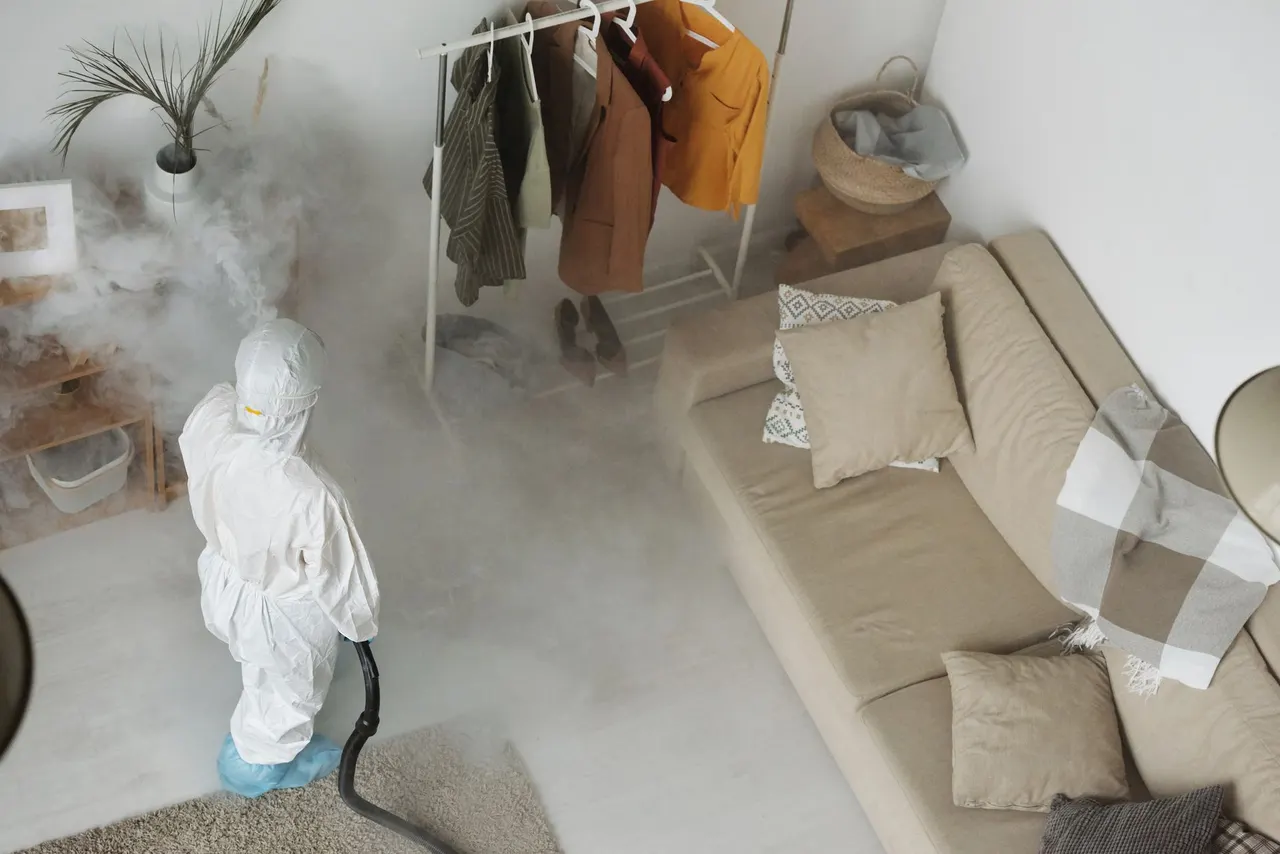
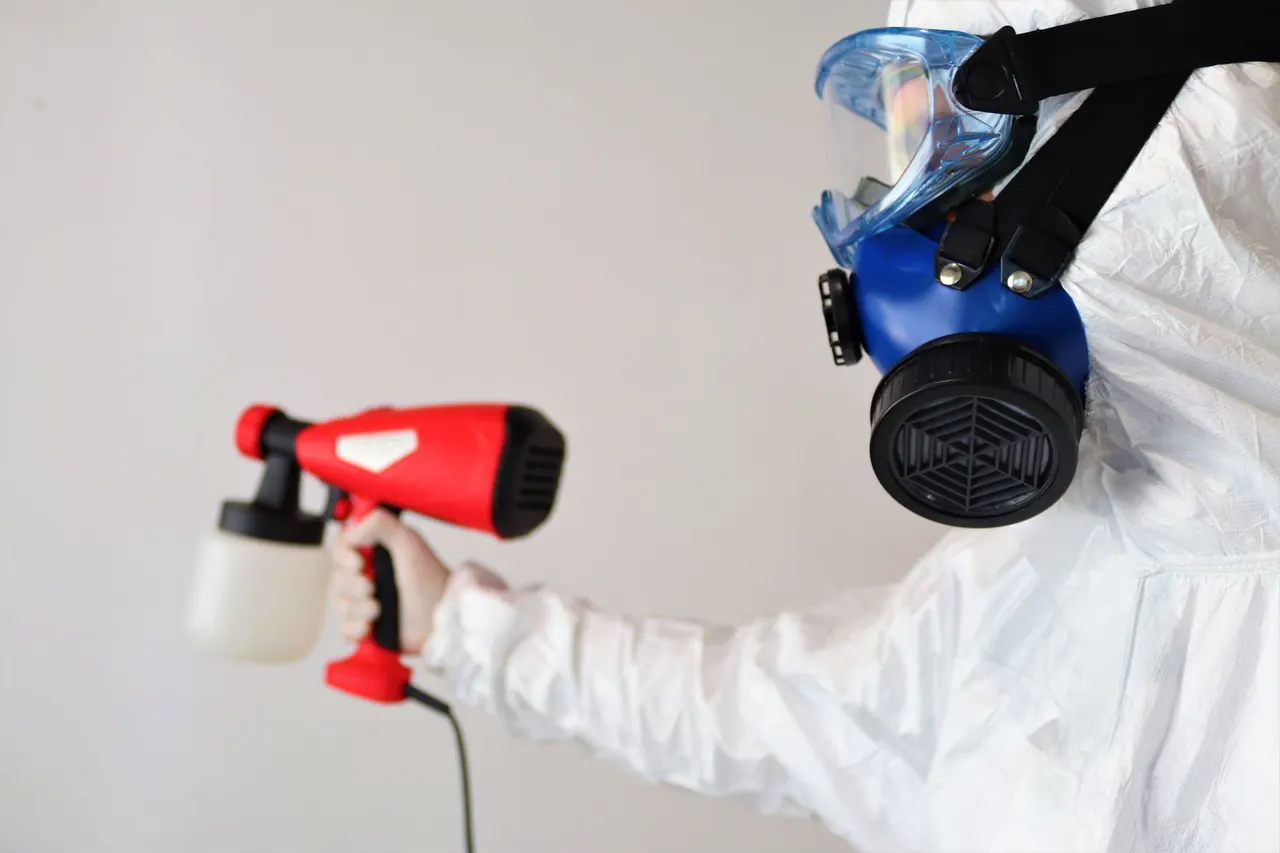
A practical standard for every visit.
Clear planningPrepared arrivalsCareful workLocal follow-through
Experience in the details
17 Years Drying Fullerton Buildings
Fullerton Mold Defense has been drying and stabilizing Fullerton properties since 2009. Our technicians hold IICRC Water Damage Restoration Technician (WRT) and IICRC Applied Structural Drying (ASD) credentials, and our remediation leads carry IICRC Applied Microbial Remediation Technician (AMRT) certification. That combination matters because drying and mold work overlap: if you dry a wall but leave a saturated cavity behind it, you have only postponed the problem. We follow IICRC S500 drying standards and document every job the way an insurance adjuster expects to see it.
- IICRC WRT and ASD certified technicians on every structural drying job
- AMRT-certified leads for projects where microbial growth is already present
- ACAC Council-certified Microbial Remediation Supervisor oversight on complex losses
- Thermal imaging and calibrated moisture meters used on every inspection
- Daily documentation formatted for insurance claims and adjuster review
Where we work
One local team. A lot of ground covered.
Sunny HillsAmerige HeightsGolden HillsRaymond HillsCoyote HillsRolling HillsLas Palmas HermosaDowntown FullertonFairway VillageParkhurst
Check my address Most residential structural drying jobs in Fullerton run $1,200 to $3,800 in 2026, depending on how many rooms are affected and how many days equipment runs. A single-room supply line leak often lands near the low end. A slab leak or roof leak that soaked multiple walls pushes toward the high end. We give you the number before we set equipment.
Fullerton Mold Defense provides building drying and humidity control in Fullerton CA, along with mold inspection, testing, and remediation. We have operated in Orange County since 2009, and our technicians hold IICRC WRT and ASD certifications. Call (714) 880-7758 and we will schedule an inspection.
Plan on three to five days for most Fullerton leaks, with light cases finishing in two. Dense materials like plaster, hardwood, and tile-set subfloor take longer than drywall. We check moisture twice daily and pull equipment only when readings match a dry reference area, so the timeline follows the building, not a calendar.
Yes. Keeping indoor humidity between 30 and 50 percent removes the condition mold needs to grow, which is why moisture control to prevent mold in a Fullerton home matters long after the drying equipment leaves. We check your HVAC condensate line, look for condensation and elevated humidity, and show you where to monitor.
Keep exploring
Related Services
Your next step is waiting
Get Structural Drying and Moisture Control Fullerton CA Now
Every hour a wet wall sits, the repair bill grows. We are licensed, insured, and have dried Fullerton buildings since 2009. Call (714) 880-7758 and we will get equipment on your property today.
Start with the basics
Contact Fullerton Mold Defense
Call us at (714) 880-7758 any time, day or night. We answer live and dispatch same-day for most Fullerton jobs. You can also email [email protected] or stop by our office. We serve all of Orange County from our Fullerton base.